Electrical assembly

Collapse
X
 
  • Time
  • Show
Clear All
new posts

  • jetmechmarty
    replied
    I'm glad I could help, Ron!

    A good permanent solder joint is difficult to make under any circumstances. Since I know how it's supposed to be done, I almost always opt for the crimp. BTW, that solder wicking up under the insulation is not a good thing. Not to mention the insulation on our wiring leaves a lot to be desired in the first place. In improper solder joint will leave you with a possible short to ground, or a possible fracture as Ron pointed out. If you know how to solder, and can do it better than me, then by all means, have at it. It is a viable option.

    Leave a comment:


  • ViperRon
    replied
    Good Video Marty and good information for all and I'd just like to say thanks again for attracting all the attention away from me at the Rally. I had been working on my bike for more than an hour before you came out. Being the showman you are I could play the invisible man and skirt right past the award with out even a dishonorable mention. You make a great wingman, way to jump on the grenade.


    One note added on making connections on these bikes. Most of the wire used in the XS11 is of a composite that does not work well with most solder. You may find that when you heat these wires they tend to discolor and the solder does not want to weep into the stands even with flux. The solder will make a solid connection but the problem is the wire on the outside of the connection is weakened from the heat and wires will fracture very easily and break. So instead of making a permanent fix you have moved the problem. If the wire is not soft and malleable just use a crimp.

    Leave a comment:


  • jetmechmarty
    replied
    Originally posted by DeanR
    Good thread Marty. I muddle my way through the mechanical stuff ok, learning as I go, but am clueless as to wiring.
    Don't know one terminal style/appropriate tool from another. Unfortunately, I use whatever is floating around in the toolbox that looks like it might connect some wires together.
    Here are the tools I have. Don't really know what I'm looking at or how to use them. I just squeeze when I need to.

    The tool on top is first quality and used for uninsulated terminals and splices. The bottom one is for emergency repairs only. You'll see it in the video I posted.

    In addition to crimping the wire into the connector I like to solder them in afterwards...no way will it come apart.
    As motoman is pointing out, you're giving a broken wire a place to happen.
    Last edited by jetmechmarty; 04-06-2015, 05:46 PM.

    Leave a comment:


  • motoman
    replied
    Originally posted by madmax-im
    In addition to crimping the wire into the connector I like to solder them in afterwards...no way will it come apart.
    BTW I too recall you and Greg chasing down the electrical gremlins that a.m.
    ........and just created what is being avoided.

    Leave a comment:


  • madmax-im
    replied
    In addition to crimping the wire into the connector I like to solder them in afterwards...no way will it come apart.
    BTW I too recall you and Greg chasing down the electrical gremlins that a.m.

    Leave a comment:


  • DeanR
    replied
    Good thread Marty. I muddle my way through the mechanical stuff ok, learning as I go, but am clueless as to wiring.
    Don't know one terminal style/appropriate tool from another. Unfortunately, I use whatever is floating around in the toolbox that looks like it might connect some wires together.
    Here are the tools I have. Don't really know what I'm looking at or how to use them. I just squeeze when I need to.

    Leave a comment:


  • jetmechmarty
    replied
    Originally posted by natemoen
    Now what I need to know is if those dies fit into my Ideal Industries Crimpmaster frame. Those dies are way cheaper!
    They're made in Taiwan. Wires will no longer pull out of my fuse block and the crimps are pretty.

    Leave a comment:


  • natemoen
    replied
    Now what I need to know is if those dies fit into my Ideal Industries Crimpmaster frame. Those dies are way cheaper!
    Last edited by natemoen; 04-06-2015, 02:19 PM.

    Leave a comment:


  • jetmechmarty
    replied
    I had Greg in his pony tail helping me find my way and completing the 60's stoner look.

    Leave a comment:


  • BillyRok
    replied
    Great info, Marty, as I'm sure most of us have been bitten by electrical gremlins at some point in our XSive lives.

    At XS Southeast 2014, my bike failed to start for the Saturday morning ride, due to no spark.
    I remember that! You were working on the bike in a T-shirt and flip flops, to the untrained eye you looked like a stoner from the 60's. I tried to get Jeff to award you with a "Towelie" award for Least Likely to Lead a Group Out of the Iron Horse On Schedule...but you fixed it and reclaimed Leader of the Pack status, right on!!

    Leave a comment:


  • jetmechmarty
    replied
    Ian,
    My point here is that you can procure affordable tools to do a proper job working on your bike. The Klein crimper I looked at in Home Depot was made in USA and $30. I found one at Ace Hardware that appears to be of similar quality, made in China for $10. Which one you buy depends more upon how you feel about American workers vs. someone in China earning a daily bowl of fish & rice plus $125 per month. (I probably shouldn't go there) For less than $100, you can be very well equipped to do proper electrical work on your bike. If you're happy doing it with Vice Grips, that's OK too. I put this on here because some folks aren't aware there's any difference.

    Leave a comment:


  • IanDMacDonald
    replied
    Hey Marty- I concur with you 100% on the cost of the tools! My second job is a machine electrician, and I've acquired many expensive tools. I have similar die crimpers with various dies, and I like them. However, when I'm doing certain tasks that require multiple pairs of pliers at the same time, changing dies becomes tedious, and I just use different sets of pliers/crimpers.

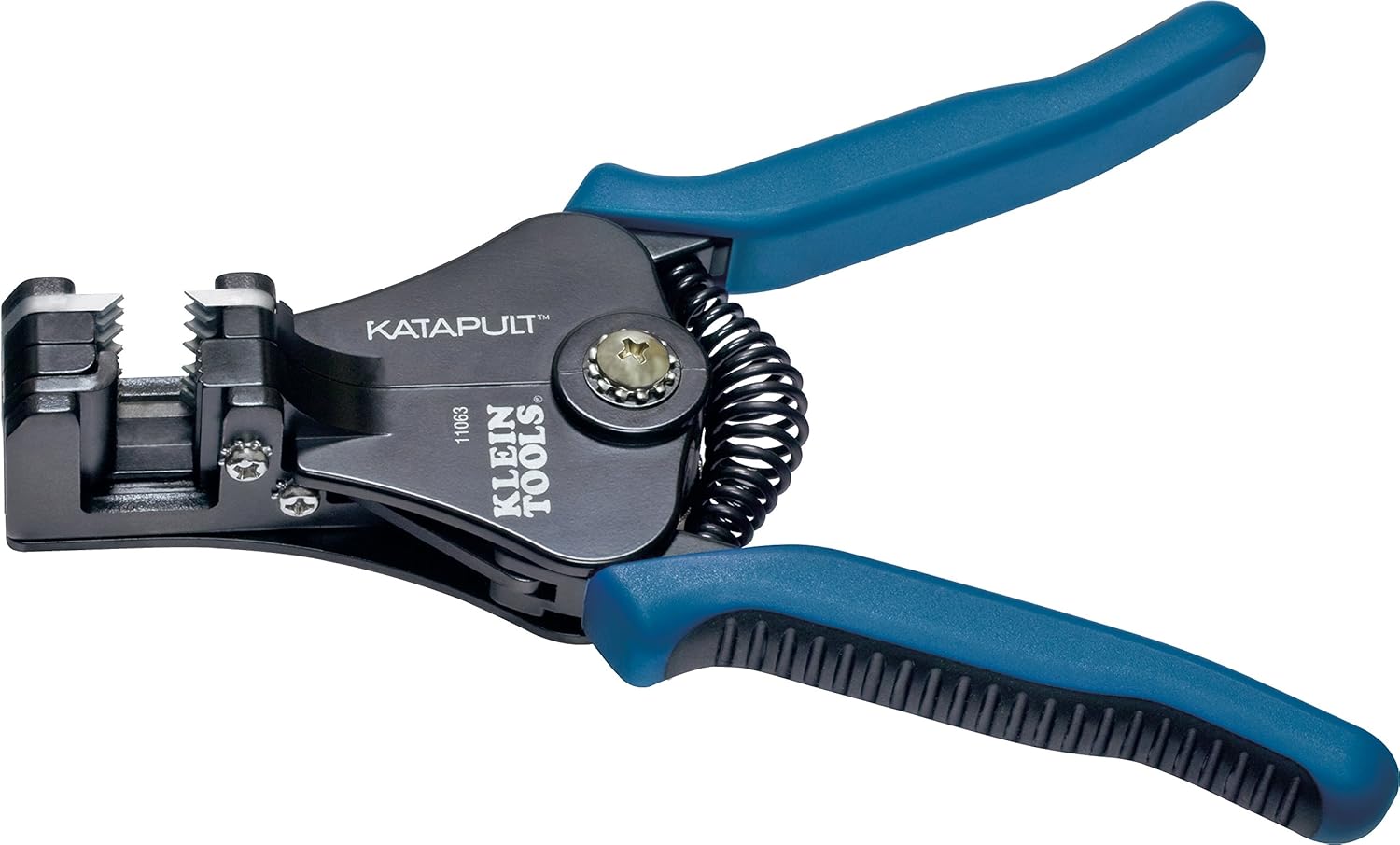
    The aircraft strippers by Klein you listed are "okay". The Katapults are part of the Journeyman line, and made in China, unlike their original US made tools. Now that Home Depot bought Kline, the tools are all made in China, and the build is definitely inferior. I've bought 10+ sets of aircraft strippers, and found the cheapest and most likable are made by Irwin. $22, and they hold-up well!

    I have great things to say about Knipex, Wiha, and Wera tools, all in my toolbox.

    Leave a comment:


  • jetmechmarty
    started a topic Electrical assembly

    Electrical assembly

    There's often chatter here on the forum about electrical issues. I thought I'd make a post on this rainy morning about doing it right.

    I was trained as an avionics technician years ago and I've done a lot of that work throughout my career. I'm even NASA trained in soldering. When it comes to electrical assembly, aviation tools are prohibitively expensive. So much so that I've owned very few of my own. Due to my experience, I've made incorrect assumptions about what's available to the do-it-yourselfer. I've been going about it like most of the rest of you.

    At XS Southeast 2014, my bike failed to start for the Saturday morning ride, due to no spark. During troubleshooting, I tugged on a wire at the fuse box and it pulled right out of the flag terminal due to improper crimp technique. I decided to research the problem and find a simple solution.

    I found a flag terminal crimper.


    When you get your new fuse box from TC, he is kind enough to provide you with blue flag terminals. You need four of them. The remaining smaller gauge wires require the red flag terminals.

    What I found for the job was a crimper frame from Pro's Kit. I bought one like this.

    The nice part about this tool is that it will probably satisfy most of my crimping needs. You simply buy the dies for the task you need to perform.


    for insulated flag terminals as in TC's fuse box


    for butt splices and terminals


    for open barrel contacts used on XS1100 connectors


    for uninsulated butt splices and terminals

    Pro's Kit has 35 die options. Sometimes space is a problem and another tool is required. I have one like this.

    Home Depot or your local hardware store has this one.

    A proper wire stripper looks like this.

    When used correctly, this tool won't nick or cut wire strands.

    Anyway, this stuff doesn't cost near as much as I thought it would. Do it once. Do it right.

    Here's a helpful video I found on the subject. It's a far better explanation than I can make.
    How to splice and repair wires, splicing techniques
Working...